Hillsdale Locksmith Corp Service Team
Local locksmith team
Oct 11, 2026 9 min read
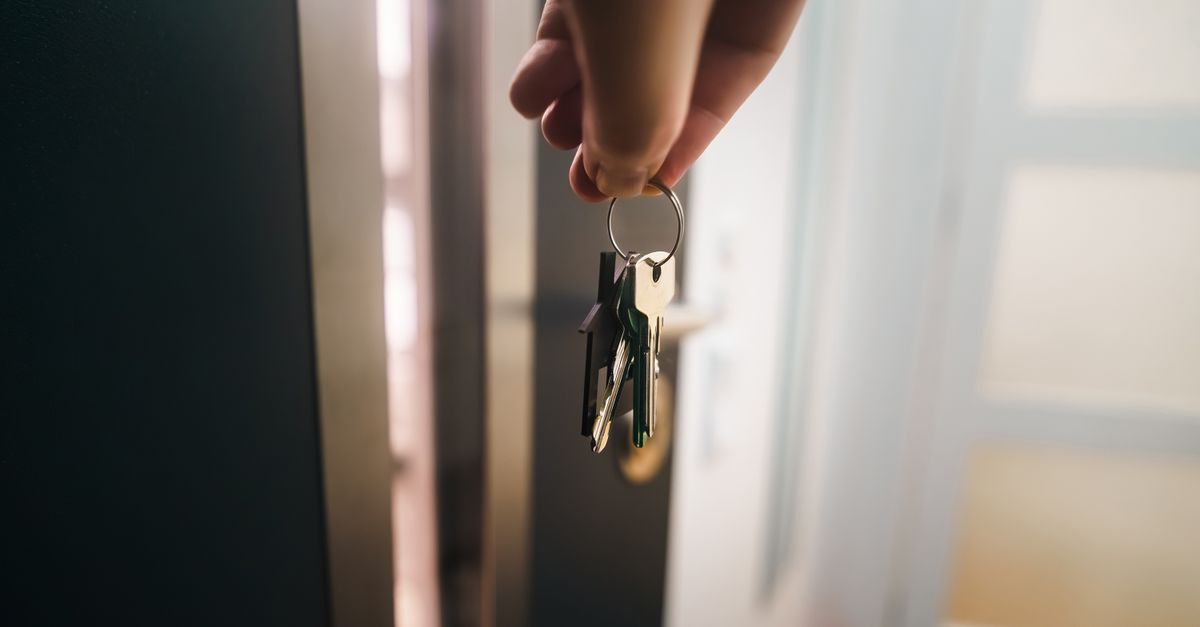
It happens to the best of us — you pull the door shut behind you, reach into your pocket, and feel nothing. No key. Whether you stepped out to grab the mail on a chilly Bergen County morning or rushed out for an early commute and left your keys on the kitchen counter, being locked out of your house is one of those situations that instantly derails your day. The good news: there is a clear, safe sequence of steps you can take right now to get back inside without damaging your door or your wallet.
This guide is written specifically for homeowners and renters in the Hillsdale area — from neighborhoods near Broadway to streets off Piermont Avenue — who find themselves on the wrong side of a locked door with no spare key in sight. Follow these steps in order, stay calm, and you will resolve the situation faster than you think.
## Step 1 — Do a Quick Sweep Before You Panic (Locked Out of House Checklist)
Before you call anyone, spend five calm minutes checking the most commonly overlooked entry points. Try every exterior door — side door, back door, garage entry door — because it is surprisingly common for one to have been left unlocked. Check all ground-floor windows carefully; if one is open even a crack and you can raise it safely from the outside without climbing, that may be your way in. If you have an attached garage, try the garage door keypad. Many homeowners program a code and simply forget it is there. If a garage door opens, the interior entry door between the garage and the house is often unlocked.
Also think about whether any trusted neighbor, family member, or friend holds a spare key for exactly this scenario. A quick phone call could save you an hour. If your home uses a smart lock or a keypad deadbolt, try entering any alternate codes you may have set up — some systems allow multiple user codes. If none of these quick checks pay off, stop there. Do not attempt to force a window, remove a hinge, or try any improvised entry technique; these approaches risk property damage and personal injury, and in most cases they simply do not work on modern locks.
## Step 2 — Understand Your Lock Before Help Arrives (Mortise Lock, Door Knob Lock, and More)
Not all residential locks are the same, and knowing what type of lock is on your door helps you have a smarter conversation with an emergency locksmith when you call. The most common residential lock types in older Hillsdale and Bergen County homes are the mortise lock — a rectangular lock body that sits inside a pocket cut into the edge of the door — and the standard cylindrical door knob lock or lever lock. Mortise locks are robust, elegant, and extremely secure, which is exactly why they require a trained professional to open without a key. You will find them frequently on older colonial and Tudor-style homes throughout this part of New Jersey. Newer constructions more often feature deadbolts combined with a door knob lock or a smart lock cylinder.
Why does this matter? A mortise lock has more internal components than a simple deadbolt, so the service process is different and requires specific experience. When you call our team at Hillsdale Locksmith Corp, simply describe what your door hardware looks like — whether it has a large rectangular plate, a separate deadbolt above the handle, or a single knob — and we will arrive fully prepared with the right tools for your exact setup. This saves time and gets you back inside faster.
## Step 3 — Verify Ownership and Stay Safe While You Wait for Your Emergency Locksmith
Once you have decided to call a professional, there are two important things to do while you wait. First, gather anything that confirms you live at the address — a photo ID with your address, a piece of mail, a utility bill on your phone, or a vehicle registration if your car is in the driveway. Any experienced locksmith will ask for proof of residency before performing a lockout service, and that is exactly the behavior you want to see. It protects you as a homeowner and it is standard practice for any responsible professional.
Second, think about where you wait. If the weather is bad — and a Bergen County winter can turn unpleasant fast — consider waiting in your car if you have access to it, at a neighbor's home, or inside a nearby business. Avoid standing alone in an isolated area, especially at night. Our mobile team serves the Hillsdale area around the clock, so response times are typically quick, but your safety and comfort while you wait always matter. If you feel unsafe for any reason — if someone is following you, for example — call 911 first. Once the immediate safety concern is handled, call us at 201-793-8057 and we will be on our way.
## Step 4 — Call Hillsdale Locksmith Corp (Here Is What to Expect)
When you call 201-793-8057, you will reach a real person — not a voicemail, not an answering service. We operate 24/7, including weekends and holidays, because lockouts do not follow a schedule. Tell us your exact address, the type of lock on your door if you know it (mortise lock, door knob lock, deadbolt, smart lock), and whether there is anything unusual about your door — a reinforced frame, a secondary chain lock, or a storm door in front. The more detail you provide, the faster we can prepare. Before any work begins, we will confirm a clear, up-front price based on the specifics of your situation. The factors that determine the final quote include the type of lock (a mortise lock service differs from a simple cylindrical lock), the time of day, our travel distance to your location, and whether any parts or replacement hardware are needed. You will know exactly what you are paying before our technician touches your door — no surprises, no pressure.
Our technicians are trained, experienced, and insured. We have worked on virtually every lock type found in Bergen County homes — from century-old mortise locks on craftsman-era properties to modern Schlage and Kwikset deadbolts on new construction. Once on site, we verify your identity, assess the lock, and use professional non-destructive techniques to open the door. In most cases you will be inside within minutes of our arrival, with your lock fully intact and functioning. We can also rekey or replace your lock on the spot if you want to improve your security while we are there — a smart move if your keys are lost rather than just misplaced.
## Step 5 — Once You Are Inside, Prevent This From Happening Again
Getting back inside is step one. Making sure it does not happen again is step two. The single most effective prevention is a keyed lock box mounted near your door or in your garage — the same type realtors use — that holds a spare key behind a combination code only you know. It costs very little, installs in minutes, and ends the lockout problem permanently. If you prefer not to leave a physical key outside, ask about having a secondary keypad deadbolt or smart lock installed alongside your existing mortise lock or door knob lock. This gives you a code-based backup entry option that requires no physical key at all.
You can also designate a trusted neighbor or family member as your spare-key holder — someone within a short drive who you could call in an emergency. Keep their contact in your phone under a clear label. Finally, consider a simple habit: before you close the door behind you, tap your pocket. It takes one second and eliminates 90 percent of lockouts entirely. If you would like our team to assess your current door hardware, upgrade your locks, or discuss which smart lock options work best with your existing door prep, call us at 201-793-8057 — we are available 24 hours a day, seven days a week, and happy to help you build a setup that fits your home and your routine.
Frequently asked questions
Can police help if locked out of house?+
In most cases, local police officers are not equipped to open locked residential doors, and it is generally not within their standard duties to do so. They may respond to check on your welfare — especially if there is concern for a child or pet inside — but they will typically refer you to a professional locksmith for the actual entry. If there is a genuine emergency inside the home, always call 911 first. For a standard residential lockout with no safety emergency, calling an experienced locksmith like our team at 201-793-8057 is the fastest and most effective path to getting back inside.
How much does a local locksmith charge, and how much does a locksmith cost in NJ?+
There is no single flat price because every job is different. The factors that shape a locksmith's quote include the type of lock on your door — a mortise lock, for example, involves more complexity than a standard door knob lock — the time of day the service is needed, how far the technician needs to travel, and whether any replacement hardware or parts are required. Emergency or after-hours calls may be priced differently than daytime appointments. At Hillsdale Locksmith Corp, we confirm your exact price up front before any work begins, so you always know what to expect. Call 201-793-8057 for a no-obligation quote specific to your situation.
How long does it usually take for a locksmith to come?+
Arrival time depends on where you are located and current demand, but our mobile team is based locally and serves the Hillsdale and wider Bergen County area around the clock. For most lockout calls in or near Hillsdale — whether you are near the train station, off Piermont Avenue, or further out — we aim to reach you quickly. When you call 201-793-8057, we will give you an honest estimated arrival window based on real-time conditions, not a scripted promise. Having the exact address and lock details ready when you call helps us dispatch the right technician immediately.
Is it worth trying to get into my house myself, or should I just call a locksmith?+
For the steps outlined above — checking unlocked doors, trying a garage keypad, calling a spare-key holder — absolutely try those first, since they cost nothing and take only minutes. Beyond that, attempting DIY entry through force or improvised tools almost always causes damage to the door, frame, or lock that ends up costing significantly more to repair than a professional lockout service would have. Modern locks, especially mortise locks and reinforced deadbolts, are designed to resist forced entry. A trained locksmith uses non-destructive techniques that leave your hardware fully intact. When the quick checks do not pan out, calling a professional is genuinely the smarter and safer choice.